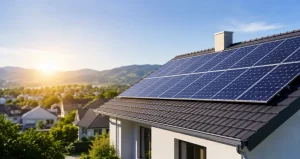
Installing solar power at home can be a significant financial commitment. A complete system may include rooftop photovoltaic panels, an inverter, lithium batteries, mounting equipment, cabling and electrical protection. Once these components are installed, homeowners often focus on electricity savings and backup power but overlook an equally important question: what happens if the system is damaged, stolen or destroyed?
Solar insurance in South Africa is not always sold as a completely separate insurance product. Permanently installed solar equipment will generally need to be covered through buildings insurance, while certain portable energy equipment may fall under household contents cover. The important point is to confirm the classification with your insurer rather than assuming that an existing home policy automatically provides adequate protection.
The cheapest solar insurance quote is therefore not necessarily the policy with the lowest monthly premium. A useful comparison needs to consider replacement value, insured events, excesses, installation requirements and exclusions. Understanding these details before requesting quotes can make it much easier to find affordable cover without creating an expensive protection gap.
What Is Solar Insurance In South Africa?
Solar insurance is essentially insurance protection for equipment used in a residential solar or alternative energy system. Depending on the policy and installation, this can include photovoltaic panels, permanently installed inverters, batteries and associated equipment.
South African insurers generally distinguish between equipment permanently attached to a property and equipment that can easily be removed. A rooftop solar system connected to the home’s electrical installation would ordinarily be treated as part of the building. Portable equipment may instead need to be insured under household contents or another appropriate section of the policy.
This distinction matters because having contents insurance does not automatically mean a permanently installed R150,000 solar system is adequately insured. Homeowners should tell their insurer when a system is installed and obtain written confirmation of how it appears on the policy.
What Can Solar Insurance Cover?
The exact protection depends on the insurer and policy wording. Buildings insurance in South Africa commonly protects a home and permanent fixtures against specified unexpected events such as fire, storms, lightning, theft and other insured causes of damage. Solar equipment incorporated into the building may receive protection under those terms when correctly declared and included in the insured value.
However, homeowners should never assume that every possible solar-system failure is insured. Mechanical breakdown, gradual deterioration, defective workmanship, poor maintenance or equipment that simply stops functioning may be treated differently from sudden physical damage caused by an insured event.
When comparing policies, ask specifically about solar panels, batteries and the inverter. Also check protection for hail, storms, fire, lightning, electrical damage, theft and power-related incidents. The answer should come from the current policy wording or the insurer, not simply from a general description of home insurance.
Are Solar Panels Covered By Buildings Insurance?
Permanently installed rooftop panels are generally suited to buildings insurance because they have effectively become fixtures of the property. The same principle can apply to an inverter and batteries permanently connected to the installed solar system. Naked Insurance, for example, explains that installed solar systems and connected inverter or battery equipment should generally be included in the building sum insured.
Santam’s Insurance Barometer also notes that the replacement value of solar systems is typically included in the buildings sum insured and reports an increase in solar-related claims under buildings policies.
This creates an important task for anyone adding solar to an already insured house: update the insurer. The value of the property improvements has changed, even though the home’s market price is not necessarily the number used for insurance purposes.
Replacement Value Is More Important Than Purchase Price
One of the most practical lessons when insuring solar equipment is to think in terms of replacement rather than historical purchase price. Replacement value means what it would cost to replace the insured property with an equivalent new item at today’s prices.
Imagine that a homeowner bought a solar system several years ago. Equipment prices, specifications, labour charges and installation costs may have changed since then. Using an outdated figure can leave the property underinsured.
Buildings insurance itself should normally reflect the cost of rebuilding or replacing the insured property rather than its real-estate selling price. After installing solar, review the building sum insured and ask whether the full replacement cost of the permanent system has been incorporated.
How Much Does Solar Insurance Cost In South Africa?
There is no reliable single monthly price that applies to every South African homeowner. Insurers calculate premiums according to their own underwriting models, and the solar system is usually only one part of the overall property risk.
Factors can include the replacement value of the house and solar equipment, location, security measures, construction characteristics, claims history, selected excess and the type of protection required. The size and value of the solar installation can also affect the amount that needs to be insured.
For this reason, advertised example premiums should not be treated as a guaranteed price. A homeowner in Johannesburg with a large battery installation can receive a different quote from someone with a smaller system elsewhere, even when both homes appear broadly similar.
How To Find The Cheapest Solar Insurance Quotes
The most effective way to find affordable solar insurance is to compare equivalent policies rather than premiums alone. Request quotes using exactly the same property information, replacement value, solar-system value and preferred excess. Otherwise, a cheaper quote may simply provide less protection.
Ask each insurer whether the complete permanently installed system is covered under buildings insurance and whether it must be individually specified. Then compare the insured events, exclusions, excess, replacement basis and claim requirements.
A higher voluntary excess can sometimes reduce the premium, but it also increases the amount you may need to pay following a claim. Choose an excess you could realistically afford rather than increasing it purely to obtain the lowest monthly figure.
Why Installation Compliance Matters?
Insurance should be considered before or immediately after the solar installation, not only after something goes wrong. South African electrical installations are subject to safety and compliance requirements, and a Certificate of Compliance is an important document.
Government guidance advises property owners to use competent, legally registered electrical contractors and confirms the importance of proper inspection and testing before a Certificate of Compliance is issued. South African public-sector PV specifications similarly reference SANS 10142-1 requirements for electrical installations.
Keep the Certificate of Compliance, installer invoice, proof of payment, equipment specifications, serial numbers and warranty documents together. These records establish what was installed, its value and who performed the work, making them valuable if questions arise later.
Solar Insurance And Manufacturer Warranties Are Different
A manufacturer’s warranty should not be confused with insurance. A warranty generally addresses qualifying product defects according to the manufacturer’s terms. Insurance deals with specified insured losses or damage under the policy.
For example, a warranty may potentially apply when qualifying equipment develops a covered manufacturing defect, while an insurance policy may respond differently when insured equipment is damaged by a storm or another listed event. Maintaining both appropriate insurance and valid product warranties therefore provides more complete financial protection.
Common Mistakes To Avoid
A common mistake is installing solar and never informing the existing home insurer. Another is adding only the cost of the panels while overlooking batteries, inverters, mounting equipment and other permanent components. Homeowners can also create problems by using an unrealistic insured value or failing to retain installation documentation.
Another mistake is choosing a quote entirely on price. Saving a small amount each month has limited value if an important component is excluded or the excess would be difficult to afford. The better objective is the lowest reasonable cost for the level of protection you actually need.
Practical Checklist Before Buying Cover
Prepare a complete inventory of the solar installation before requesting insurance quotes. Record the panel capacity, number of panels, inverter details, battery specifications, total installation cost and current estimated replacement cost. Keep photographs of the completed installation and copies of invoices and compliance documents.
Next, ask the insurer to confirm where every major component is insured. Check the total building sum insured after the system has been added, read the excesses and exclusions, and obtain written confirmation of any important conditions. Repeat this review after major upgrades, such as adding batteries or additional panels.
Frequently Asked Questions
1. Do I need separate insurance for solar panels in South Africa?
Not necessarily. Permanently installed panels will commonly be treated as part of the building and may therefore be covered through buildings insurance. You should still notify your insurer and confirm that the system’s replacement value has been properly incorporated into your cover.
2. Does home insurance automatically cover a new solar system?
You should not assume that it does. Even where the policy covers permanent fixtures, adding a valuable solar installation changes the property’s replacement value and risk information. Contact the insurer after installation and request confirmation that the policy has been updated appropriately.
3. Are solar batteries covered by insurance?
Permanently installed batteries connected to a solar system may generally be treated as part of the building together with the installed system. Portable batteries can be classified differently. Confirm the classification and applicable limits with your particular insurer.
4. Is an inverter covered by buildings insurance?
A permanently installed inverter connected to the home’s solar installation may fall under buildings cover. A portable inverter may instead require contents cover. How the equipment is installed is therefore important when determining the appropriate insurance section.
5. Does solar insurance cover hail damage?
It may, where storm or hail damage is an insured event and the solar panels form part of the insured building. Cover varies between policies, so homeowners in hail-prone areas should specifically check this point before purchasing or renewing insurance.
6. Does insurance cover a faulty solar panel?
Not every equipment failure is an insurance event. Manufacturing defects may fall under the manufacturer’s warranty, while wear, deterioration or faulty workmanship can be subject to exclusions. Insurance and warranties should therefore be considered separately.
7. Why do insurers need the value of my solar system?
The value helps establish an appropriate sum insured. Adding an expensive permanent installation increases the amount required to replace the insured property. An outdated building value could leave the homeowner inadequately insured after a significant loss.
8. Do I need a Certificate of Compliance for my solar installation?
Electrical compliance is an important part of a properly completed installation. South African government guidance emphasises compliant electrical work and valid Certificates of Compliance. Keep the certificate safely because it can help demonstrate that the electrical installation was inspected and certified appropriately.
9. Which company offers the cheapest solar insurance in South Africa?
There is no single insurer that will be cheapest for every household. Premiums depend on individual property and risk information. Obtain several quotes using identical replacement values, excess levels and coverage requirements, then compare the policy terms alongside the price.
10. When should I update my solar insurance?
Review the policy whenever the system changes and at least during regular insurance reviews. Adding panels, replacing an inverter, increasing battery capacity or making another substantial upgrade can change replacement value. Updating the insurer promptly helps keep the policy aligned with the equipment actually installed.
Conclusion
Solar insurance in South Africa is primarily about making sure valuable energy equipment is placed under the correct section of a home insurance policy and insured at an appropriate replacement value. Permanently installed panels, inverters and batteries will generally belong under buildings insurance, although individual policy terms remain decisive.
Before choosing a quote, document the installation, retain the Certificate of Compliance, calculate a realistic replacement value and compare equivalent cover from several insurers. The cheapest useful quote is not simply the smallest premium. It is the competitively priced policy that provides suitable protection, manageable excesses and clear terms for the solar system you actually own.